
A complete Utah home winter maintenance checklist focuses on performing professional sprinkler blowouts, insulating exposed pipes, and sealing foundation cracks to prevent structural freeze-thaw damage. Homeowners must also clear gutters and apply weather-stripping to windows and doors to mitigate the risk of ice dams and energy loss. These proactive steps safeguard properties against expensive pipe bursts and foundation shifts caused by extreme mountain temperatures.
Utah homeowners know that the first heavy snowfall brings more than just a change in scenery; it introduces a series of structural threats that can compromise even the most robust properties. The Wasatch Front experiences unique freeze thaw cycles that relentlessly attack foundations, roofing systems, and exterior plumbing. Neglecting these seasonal transitions often leads to costly repairs, such as ice damming or burst pipes, which are entirely preventable with the right foresight. At Anders Construction, we believe that maintaining your home requires a disciplined, professional approach to seasonal care. In this guide, we provide a comprehensive winter maintenance checklist tailored specifically for the Utah climate. You will learn how to defend your foundation against moisture infiltration, manage heavy snow loads on your roof, and secure your mechanical systems against subzero temperatures. This proactive strategy ensures your property remains a safe, efficient sanctuary throughout the harshest winter months.
The High Stakes of Utah Winters: Why Seasonal Maintenance Matters
Living in Box Elder County or along the Wasatch Front means dealing with some of the most demanding environmental conditions in the Intermountain West. Northern Utah winters bring heavy, wet snow loads that put immense pressure on roof systems and drainage infrastructure. These environmental stresses are compounded by rapid temperature fluctuations; a sunny 45 degree afternoon can plummet to a 10 degree night in hours, creating a volatile environment for building materials.
For a team focused on residential and commercial construction services, we view seasonal upkeep as more than just a chores list. It is a critical strategy for preserving the structural integrity of your property. The primary antagonist in our climate is the freeze thaw cycle. When water from melting snow seeps into small pores or hairline cracks in concrete foundations and masonry, it eventually refreezes and expands. This expansion exerts significant pressure, slowly widening gaps and compromising the home's envelope.
Effectively managing these risks requires a comprehensive Utah home winter maintenance checklist to ensure that moisture is directed away from the structure before the ground hardens. Proactively addressing these vulnerabilities now prevents the need for major structural improvements or costly repairs once the spring thaw arrives. Protecting a property in this climate requires an understanding of how water behaves when it changes state, as even minor oversights in October can lead to significant foundation stress by January.
Essential Utah Winter Prep at a Glance
To mitigate these risks before the first snow falls, homeowners should focus on tasks that directly impact water management and thermal protection. This essential Utah home winter maintenance checklist highlights the most critical steps for safeguarding your property.
Clean all gutters and downspouts to ensure melting snow drains safely away from the foundation.
Complete professional sprinkler blowouts using compressed air to remove 90 to 95 percent of water before temperatures drop below 32 degrees.
Detach all garden hoses and drain exterior spigots to prevent internal pressure build up.
Insulate pipes, fittings, and fixtures in unheated crawl spaces and garages using foam sleeves.
Seal hairline exterior cracks in concrete and masonry to prevent moisture expansion; if you find significant separation, contact us for a structural inspection.
Service the furnace and replace air filters to ensure the system handles the heavy winter load.
Install insulated covers on all outdoor hose bibbs.
Inspect and replace worn weather stripping on exterior doors and windows.
Clear debris from window wells and ensure drains are functional.
Verify attic insulation is sufficient to prevent heat from escaping toward the roof deck.
Defending Your Foundation Against the Utah Freeze Thaw Cycle
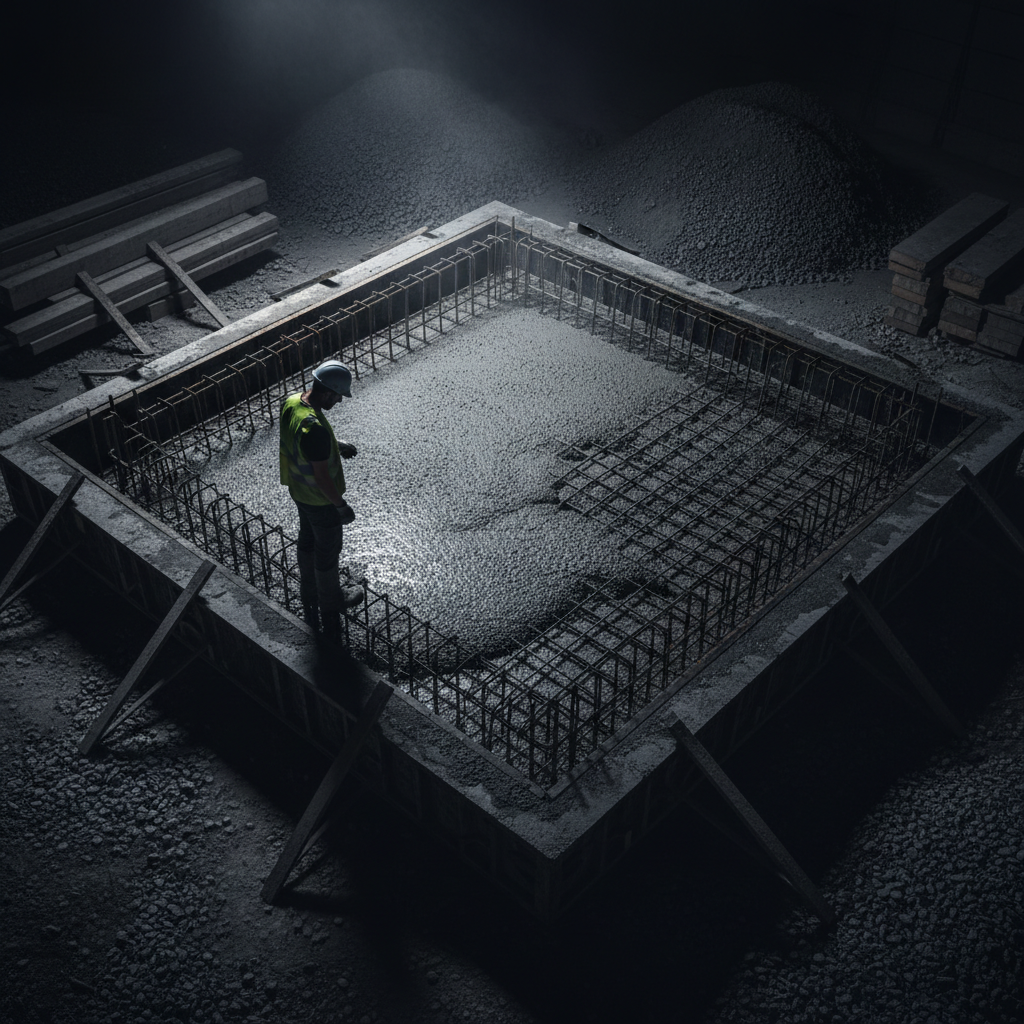
The freeze thaw cycle is a relentless physical process that targets the most vulnerable part of any structure: the foundation. As snow melts during Utah's sunnier winter days, liquid water infiltrates porous concrete and small fissures. When temperatures drop overnight, that water transitions to ice and expands by approximately nine percent. This internal pressure creates a constant hydraulic force capable of widening even the smallest gaps, leading to significant structural degradation over time.
Conducting a thorough perimeter walk through before the first hard freeze is an essential step on any Utah home winter maintenance checklist. Homeowners must identify and address even hairline cracks immediately. While a tiny crack might seem cosmetic, it acts as a funnel for moisture. Using a high quality, flexible masonry sealant to close these openings is a primary defense. For properties requiring more robust protection, particularly those in high moisture areas, we often implement structural improvements involving rigid foam insulation. Installing Extruded Polystyrene (XPS) or Expanded Polystyrene (EPS) boards against the exterior foundation wall provides a critical thermal break. This insulation keeps the foundation closer to the interior temperature of the home, reducing the severity of the temperature swings that drive the expansion and contraction process.
The most effective long term strategy for foundation health is moisture management through proper terrain grading. Water should never be allowed to pool against foundation walls. We recommend a slope that drops at least six inches over the first ten feet away from the home. If you notice areas where the soil has settled or dived near your stem walls, it is an indication that the grading is compromised. Correcting these slopes ensures that hydrostatic pressure does not build up against the concrete. If you observe standing water near your foundation or notice vertical displacement in your basement walls, contact us for a structural inspection to evaluate the integrity of your site's drainage before the ground freezes solid.
Roof Care and Ice Dam Prevention: Managing the Snow Load

While managing water at the ground level is vital, the roof serves as the primary shield against Utah’s heavy snow loads. Clogged gutters are more than a nuisance; they are the primary catalyst for ice dams. When leaves and debris prevent meltwater from flowing through downspouts, the water pools and refreezes at the cold eaves. This ridge of ice then traps subsequent meltwater, forcing it upward under the shingles and eventually into the attic or wall cavities. This cycle can lead to rot or significant interior damage, often necessitating professional residential and commercial construction services to repair.
A critical part of any Utah home winter maintenance checklist is evaluating attic insulation levels. Ice dams are frequently a symptom of poor thermal regulation within the building envelope. When heat escapes from the living space into the attic, it warms the roof deck. This causes the bottom layer of snow to melt even when outside temperatures are well below freezing. As that water reaches the unheated overhang of the roof, it refreezes. Ensuring your insulation meets modern R-values is a proactive way to maintain consistent roof temperatures and prevent this uneven melting.
For properties with complex rooflines or historical drainage issues, we recommend installing self-regulating heat tape. These heat cables should be laid in a zigzag pattern along the roof edge and through the gutters to provide a clear path for water to escape. If you notice large icicles forming regularly or water stains on your ceiling, it is time to consider these structural improvements before the next heavy storm cycles through the Wasatch Front.
Preventing Frozen Pipes in Northern Utah: Beyond Just Dripping Faucets
While managing the roof is essential for shedding external loads, the plumbing within your walls faces a hidden, internal threat as temperatures drop. Preventing frozen pipes in Utah requires more than just leaving a faucet to drip during a cold snap; it requires a systematic approach to insulation. Homeowners must first identify vulnerable pipes, which are typically those located along exterior walls, tucked into unheated crawl spaces, or passing through attics. These areas often lack the thermal protection found in the home's primary envelope. If you are unsure where your plumbing runs, especially in older homes with non-standard layouts, it is wise to contact us for a structural inspection to map out these high-risk zones before the ground freezes.
Effective insulation involves more than a loose wrap. You should utilize closed-cell foam pipe sleeves or tubular polyethylene insulation designed for the specific diameter of your copper or PEX lines. Ensure the insulation completely covers all fittings and elbows, as these joints are the points most prone to failure due to their thinner metal or plastic walls. Secure these materials firmly with UV-resistant zip ties to prevent sagging or displacement over time. For pipes in particularly drafty areas, consider these upgrades a vital part of your structural improvements for the season.
A common concern for property owners is whether homeowners insurance covers damage from frozen pipes. While most policies do cover the resulting water damage, they typically include a provision requiring the policyholder to show evidence of reasonable care. This means you must maintain heat in the building, typically at least 55 degrees, and take proactive steps to protect the plumbing. Neglecting these basic maintenance tasks could lead to a denied claim, leaving you responsible for the full cost of residential and commercial construction services required to repair water-damaged framing and finishes.
Outdoor Systems: Sprinkler Blowouts and Faucet Drainage
Beyond the walls of your home, exterior plumbing and irrigation systems are highly susceptible to the first hard frost. A critical item on any Utah fall maintenance checklist is a professional sprinkler blowout. Simply turning off the controller and opening a manual drain valve is insufficient for Northern Utah's deep freezes. A proper blowout requires high volume compressed air to purge 90 to 95 percent of the water from the lateral lines and zone valves. This ensures any residual moisture has space to expand without rupturing the piping, which could otherwise necessitate expensive structural improvements if leaks occur near the foundation.
In Box Elder County and across the Wasatch Front, complete these tasks between late September and mid October. During this window, you must detach every garden hose from exterior spigots. Leaving a hose connected traps water against the valve, often causing a burst pipe inside the wall. Once detached, install insulated foam covers to protect the hose bibbs. These steps are a core part of the residential and commercial construction services we provide, emphasizing long term value through proactive infrastructure care.
Sealing the Envelope: Drafts, Windows, and Energy Efficiency
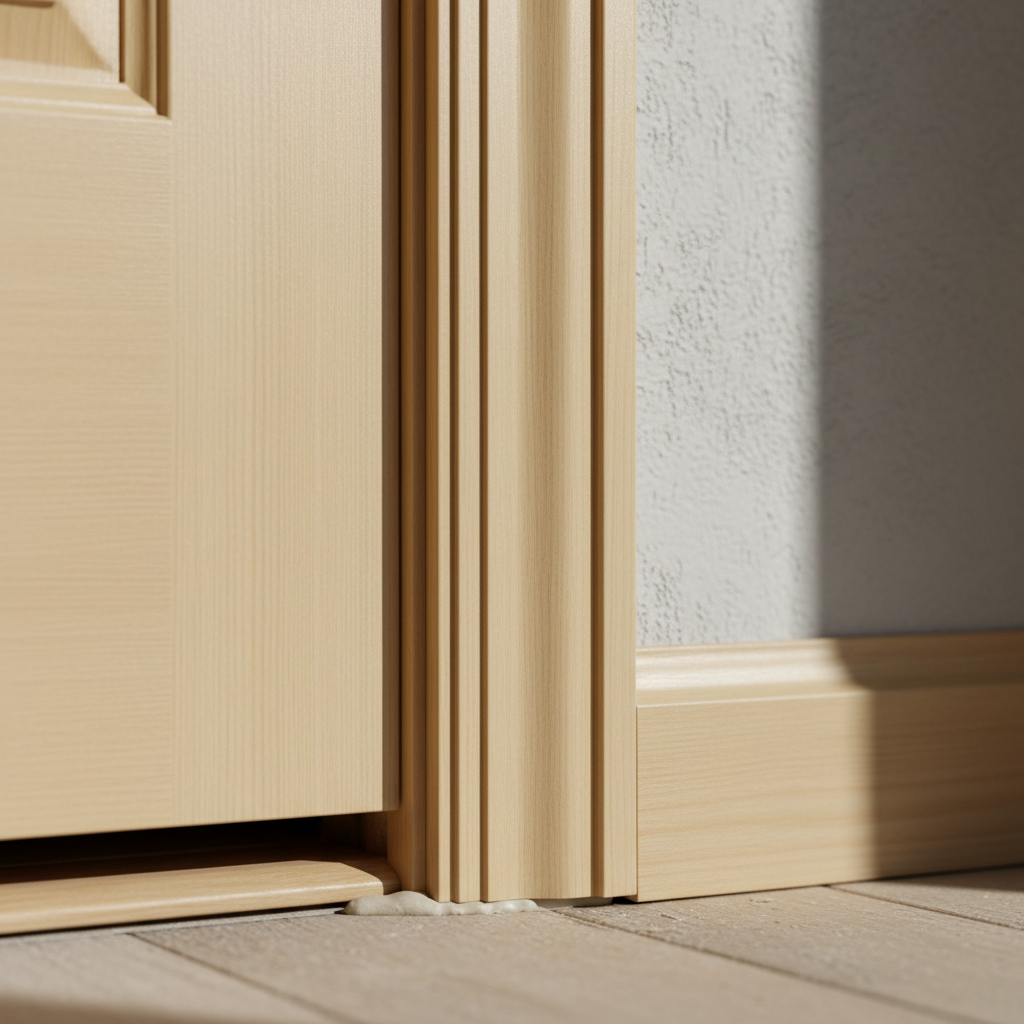
Securing the building envelope is the final step in winterizing a home against the harsh Utah climate. A comprehensive Utah home winter maintenance checklist should prioritize the seals around windows and doors to prevent conditioned air from escaping. Inspect all window frames for gaps in the caulking. We recommend using a high quality, exterior grade silicone sealant that remains flexible during extreme temperature swings, ensuring the bond does not snap when the frame material contracts in the cold.
Pay close attention to the weather stripping on entry doors. If you can see light through the gaps or feel a draft, the material has likely reached the end of its service life and requires replacement. For homes with attached garages, the door sweep on the shared wall is particularly important. This barrier prevents cold, unconditioned air from migrating into your living space. Investing time in these minor structural improvements provides immediate long term value through reduced utility bills and prevents the interior moisture issues often associated with air leaks.
Special Considerations for Vacant Homes and New Construction Sites
Managing properties that are currently unoccupied or under development requires a distinct set of protocols on your Utah home winter maintenance checklist. For vacant homes, the thermostat should never drop below 55 degrees. This minimum temperature ensures that the thermal mass of the building stays warm enough to prevent the stagnation of freezing air in wall voids where plumbing is most vulnerable.
On active job sites, protecting the skeleton of the building is paramount. Exposed concrete slabs that have not yet reached full strength must be covered with insulated blankets to prevent the water within the mix from freezing and compromising the finish. Managing temporary heat sources is another critical safety and quality concern. Propane heaters must be placed away from combustible materials and monitored to ensure they do not produce excessive moisture, which can lead to mold on new framing. If you are managing a mid-construction project, contact us for a structural inspection to ensure your site is adequately winterized. These proactive steps are standard in our residential and commercial construction services to maintain project timelines and ensure long term structural integrity.
Taking these steps now protects your Utah home from the harsh winter elements and prevents costly structural repairs later. While many of these tasks are manageable for homeowners, a thorough inspection requires a keen eye for detail. If you want expert help securing your property before the first freeze, the team at Anders Construction is ready to assist. You can learn more About our commitment to quality craftsmanship and professional care. We are here to ensure your home remains safe and sound throughout the season.