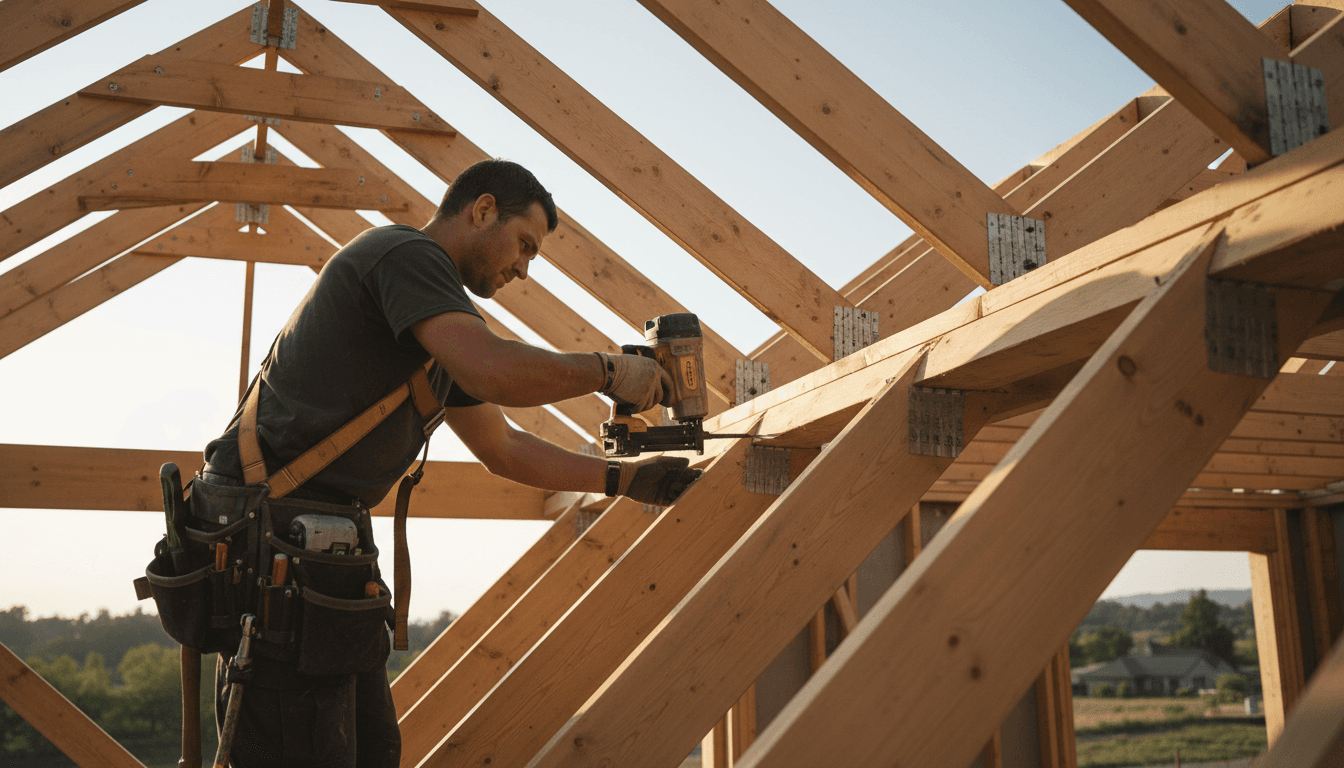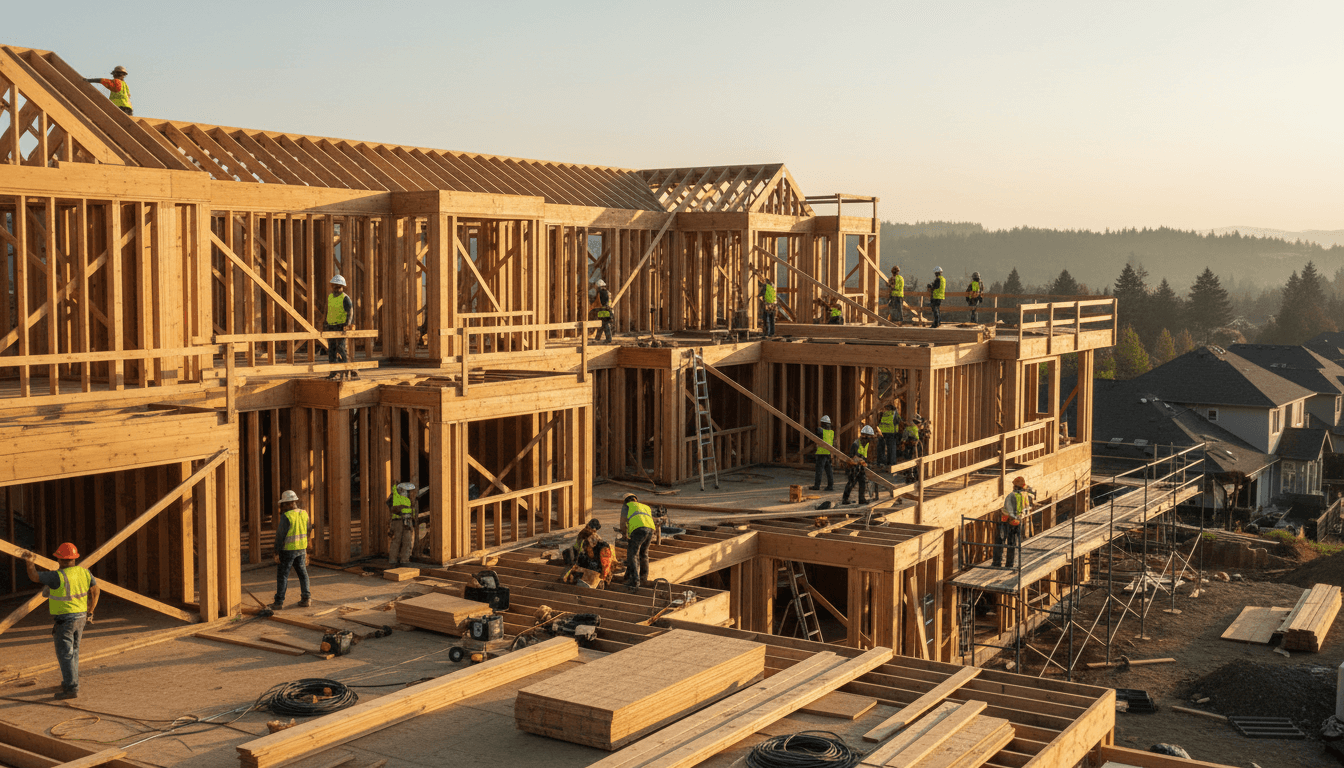
To hire a qualified professional in Utah, you must verify their state license, insurance coverage, and specific experience with similar local projects. Key questions to ask a general contractor before hiring include requesting their DOPL registration, asking for a detailed project timeline, and confirming their payment schedule. These inquiries ensure your contractor is legally compliant and help you avoid common red flags like high upfront costs or lack of written contracts.
Selecting a general contractor for your Utah project often feels like navigating a high stakes gamble where your capital and vision are both on the line. The frustration of missed deadlines or unexpected cost increases usually stems from a failure to vet the professional before the first shovel hits the dirt. At Anders Construction, we believe that clarity is the cornerstone of every successful build. A sophisticated project requires more than just a handshake; it demands a rigorous assessment of legal standing, operational capacity, and technical expertise. This guide outlines the essential questions you must ask to protect your investment. We will cover everything from verifying Utah DOPL licensing and residential requirements to commercial scaling and contract red flags. By the end of this article, you will have the practical framework needed to hire with absolute confidence.
The Critical Foundation: Why Vetting Matters in Utah Construction
Utah's rapid population and economic growth have triggered an unprecedented building boom across the state. This surge has led to an influx of new construction companies, making thorough due diligence more critical than ever for property owners. While many contractors are highly skilled, the sudden market expansion means experience levels and operational standards vary significantly.
At Anders Construction, our philosophy is rooted in complete transparency. We believe that an informed client is essential for a successful build, especially when navigating the crowded Utah market.
One of the first steps in vetting is understanding the distinct boundary between a handyman and a licensed general contractor. A local handyman is excellent for minor cosmetic fixes, painting, or small repairs. However, major structural alterations, commercial builds, and extensive home renovations in Box Elder County require a licensed general contractor. GCs carry the legal authority, structural expertise, and liability insurance necessary to oversee complex projects from excavation to final inspection. For these larger projects, securing professional residential and commercial construction services ensures long-term structural integrity. Knowing the specific questions to ask a general contractor before hiring is your first line of defense against costly project delays and compliance issues.
The Mandatory Legal Questions: Utah DOPL and Licensing
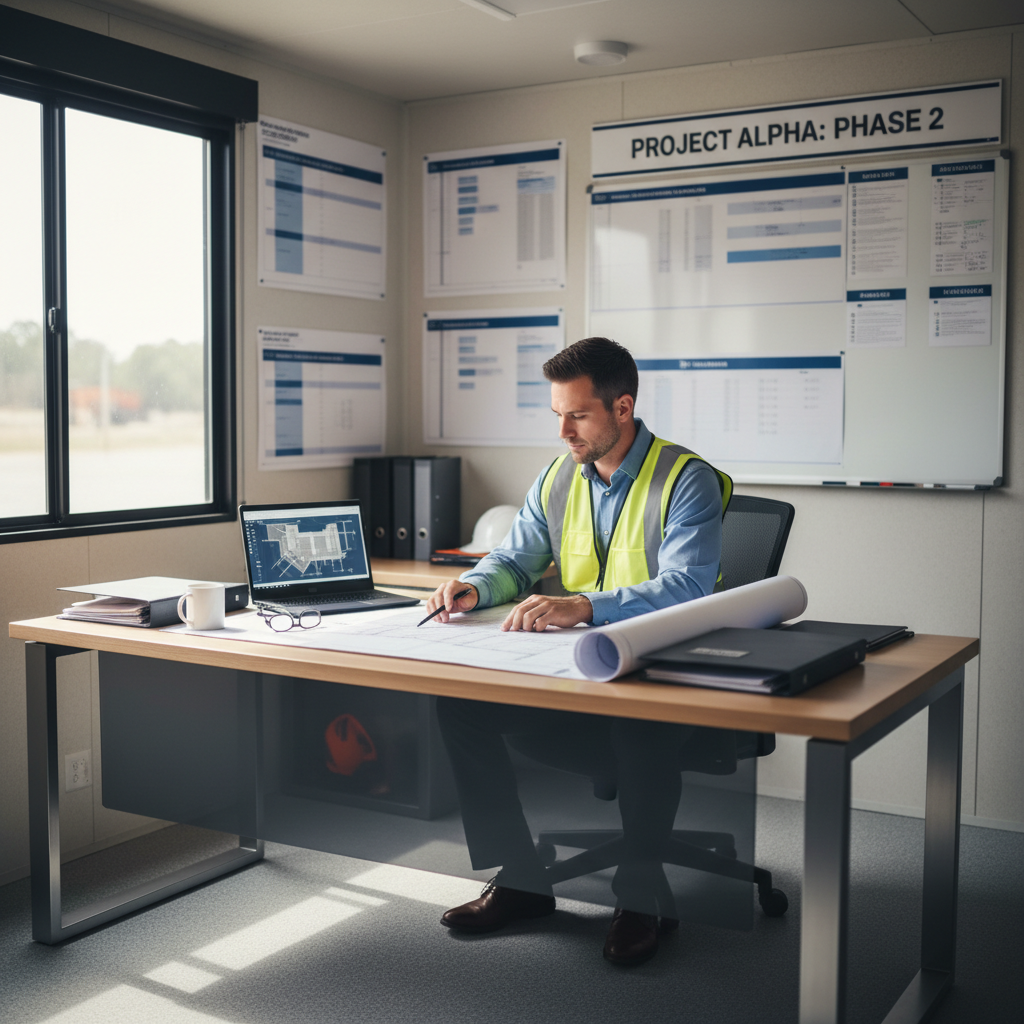
In Utah, the legal foundation of any construction project is the license issued by the Division of Professional Licensing, commonly known as DOPL. This state agency sets the standards for competency, financial responsibility, and safety. One of the most important questions to ask a general contractor before hiring is for their specific license number. A verbal confirmation is insufficient; you should take that number and verify its status on the official DOPL website to ensure it is active and free of recent disciplinary actions.
Is a contractor license required in Utah? The answer is a firm yes for any project where the total cost, including labor and materials, exceeds $3,000. Operating without a license on projects of this scale is illegal and leaves the property owner vulnerable, as it bypasses the protections offered by the Utah Residence Lien Recovery Fund and state safety oversight.
When you verify a license, you will likely see one of two primary classifications:
License Code | Name | Scope of Work |
|---|---|---|
R100 | Residential and Small Commercial | Authorized for residential dwellings and small commercial buildings. |
B100 | General Building | Authorized for any type of building or structure regardless of size. |
Understanding these distinctions helps you ensure the professional has the legal authority to manage your specific project type, whether that involves large scale residential and commercial construction services or a smaller local build. Legitimate licensure in Utah is not easily obtained. To qualify for these credentials, a contractor must prove between 2,000 and 4,000 hours of qualifying experience under the supervision of a licensed professional. This requirement ensures that a licensed GC has spent years in the field, rather than just passing a written exam. Verifying these credentials at the start protects your investment and ensures the project complies with Box Elder County and state regulations.
Specific Questions to Ask a General Contractor Before Hiring for Residential Projects
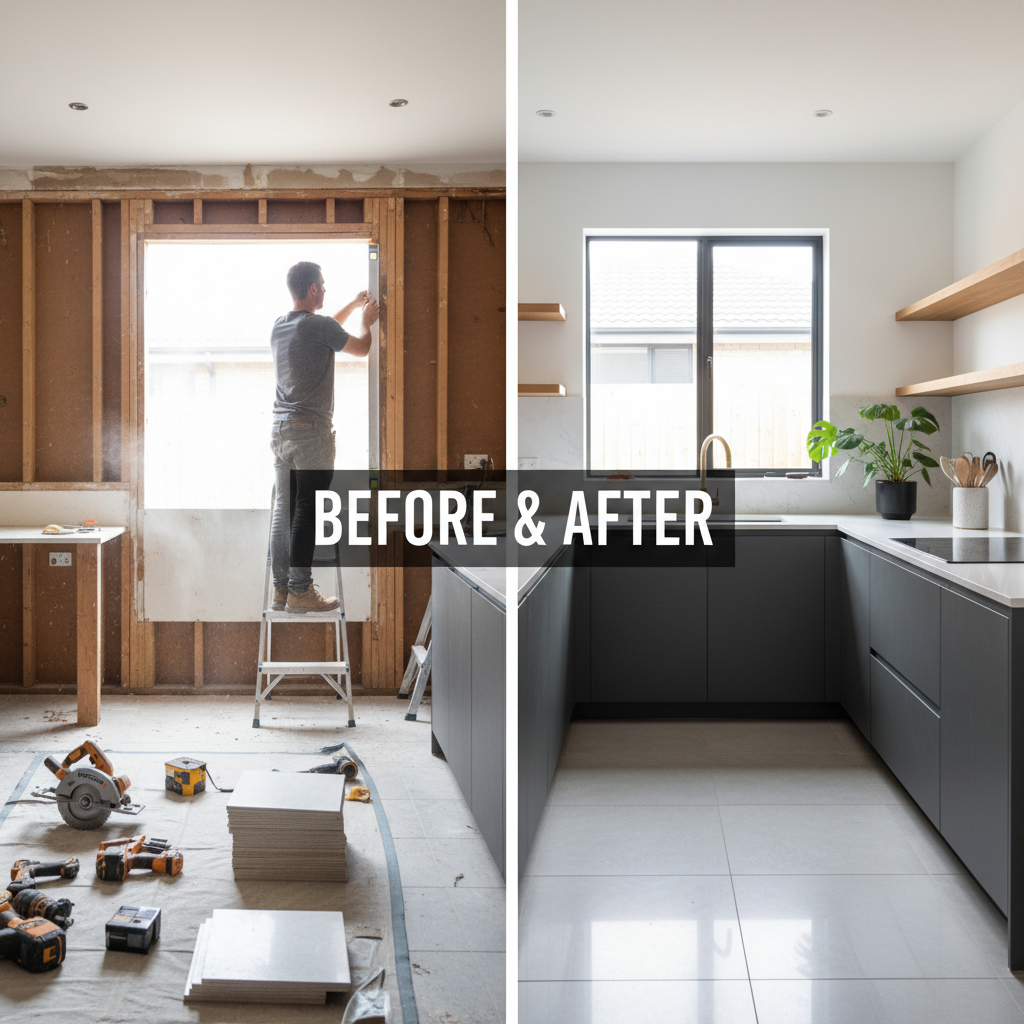
Once you confirm a contractor holds a valid R100 or B100 license, you must evaluate their ability to execute your specific vision. When determining how to select a general contractor, your decision should be guided by their direct experience with residential projects of a similar scope and complexity to yours. A contractor who primarily builds retail shells might not be the best fit for a custom kitchen remodel or a multi-generational home addition.
To narrow your choices, use these targeted questions to ask a general contractor before hiring for a residential build:
How do you manage site preparation in Northern Utah’s clay-heavy soil? Box Elder County terrain often requires specific compaction and drainage strategies to prevent foundation settling or basement seepage. An expert should be able to explain their approach to moisture control and soil stabilization.
Can you provide a list of local subcontractors you work with in Box Elder County? Reliable firms maintain long-standing relationships with local tradespeople. Avoid contractors who rely on unvetted, out-of-state labor that may not be available for future warranty work or emergency repairs.
What specific measures will you take to protect my existing home during a renovation? Ask about dust barriers, floor protection, and how they secure the site against Northern Utah’s seasonal wind and snow during construction.
How many projects similar to mine have you completed in the last two years? Requesting recent, local examples ensures they are current on municipal building codes and regional material availability.
What is your process for verifying the quality of work performed by your crew each day? Quality control should be a daily management task, not just a final walkthrough at the end of the project.
Focusing on these practical details helps ensure you receive high-quality residential and commercial construction services tailored to the unique environment of the Wasatch Front.
Questions for Commercial General Contractors: Scaling for Business Needs
Commercial projects demand a higher level of logistical precision because they involve stricter regulatory oversight and more complex site management. When moving from residential builds to business developments, the scope of vetting must broaden to include specialized technical competency.
One of the most critical questions to ask a commercial general contractor before hiring concerns their Experience Modification Rate (EMR). This metric reflects a company’s safety record; a rating below 1.0 indicates that the contractor is safer than the industry average. A lower EMR directly impacts your project’s liability risks and can even lower insurance costs.
Inquire specifically about their familiarity with the 2021 International Building Code as adopted by the state of Utah, along with their track record for ADA compliance. A single oversight in accessibility can lead to costly retrofits and legal challenges later. To maintain business continuity, ask these operational questions:
How will you phase the work to ensure our business remains operational during construction?
What project management software do you use to provide real-time updates and document control?
How do you manage site security and noise mitigation for neighboring businesses?
Utilizing modern tools and maintaining clear commercial construction communication are essential when providing residential and commercial construction services. These protocols ensure that scaling your business footprint does not result in unexpected downtime or regulatory delays.
The Logistics of Project Management and Communication
Logistical failure is rarely about a lack of tools; it is almost always a result of fragmented information. Even the most technical residential and commercial construction services fail if the owner is left wondering about the schedule. One of the most vital questions to ask a general contractor before hiring is, "Who will be my primary daily point of contact?" In many firms, the person who sells the job is not the person managing the site. You need to know if you will be communicating with the business owner, a dedicated project manager, or a lead foreman to ensure your questions reach the right ears.
Demand a specific reporting schedule. Ask if you will receive weekly emails, digital logs, or daily photo updates. Consistent reporting is the only way to track milestones against the actual timeline. Beyond regular updates, clarify the protocol for change orders. In Utah's fast moving market, verbal adjustments to a structural detail or interior finish can quickly lead to budget overruns and missed deadlines. A professional firm uses written change order forms that detail cost adjustments and schedule impacts for your approval before the work begins. Establishing these expectations early ensures clear commercial construction communication remains a priority, preventing the friction that often derails complex builds.
Red Flags: When to Walk Away from a Utah Contractor
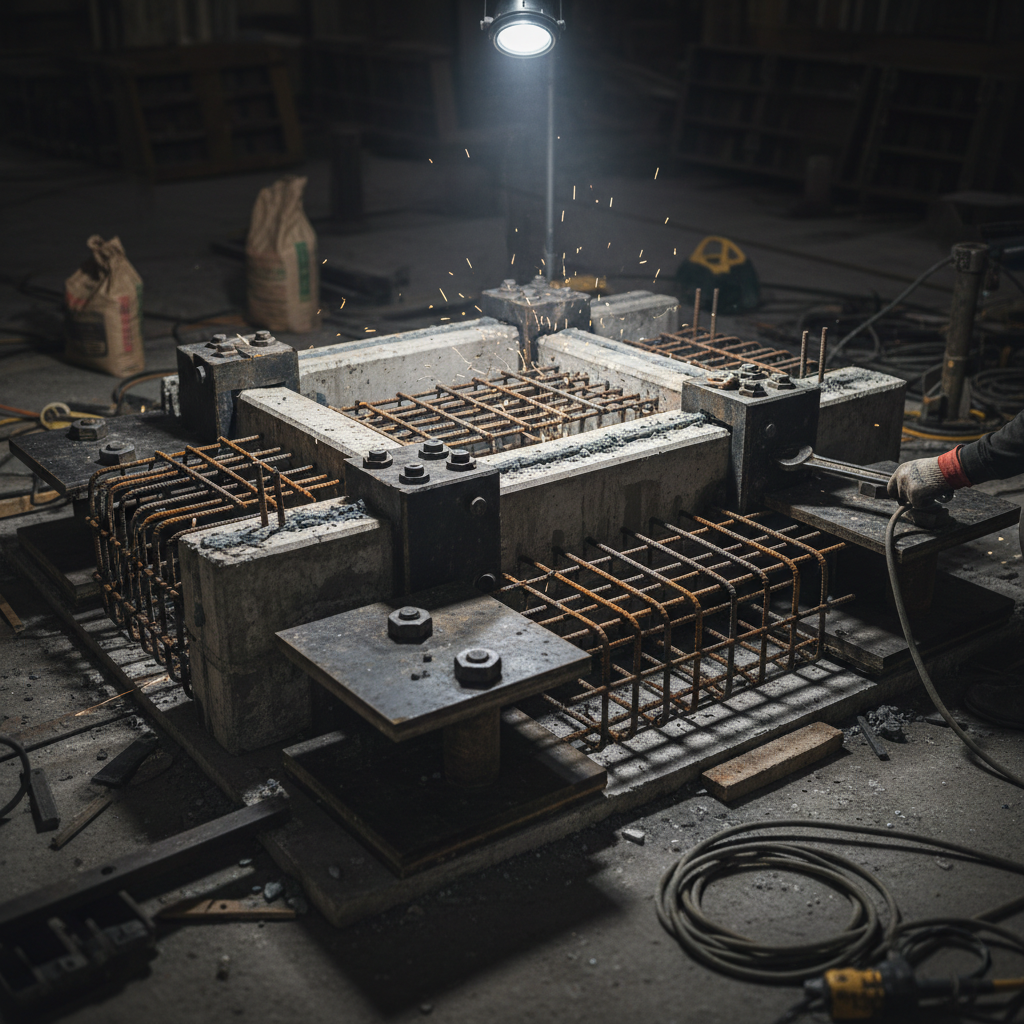
While clear protocols ensure a project stays on track, recognizing warning signs during the initial consultation is equally vital. In Utah, specific behaviors indicate a contractor may lack the financial stability or professional ethics required for high quality residential and commercial construction services. One immediate red flag is a demand for a down payment exceeding 50 percent of the total project cost. Large upfront cash requirements often suggest the contractor is using your funds to finish a previous client's job; this practice signals severe cash flow instability.
To understand how to tell if a contractor is scamming you, watch for vague, one page estimates that lack itemized material costs or high pressure sales tactics designed to force a quick signature. A professional will always provide time for a thorough review. Additionally, walk away if a builder suggests skipping permits or asks you to pull them as an "owner-builder." This tactic shifts all legal liability to you and often implies the contractor cannot pass a standard inspection. Finally, verify they have a physical Utah office address. Out of state operations without a local footprint are difficult to hold accountable for warranty work. If these red flags appear when you pose your initial questions to ask a general contractor before hiring, it is safer to contact Anders Construction for a transparent, local alternative.
Finalizing the Deal: What to Look for in the Contract
The contract serves as the final safeguard for your investment. In Utah’s modern market, relying on a handshake deal is a significant liability that offers no legal protection if disputes arise. A professional agreement for residential and commercial construction services must include precise start and completion dates to prevent your project from lingering indefinitely.
Review the scope of work for granular detail; it should specify everything from structural lumber grades to the exact brand of fixtures. Payment milestones are equally critical. These should be tied to completed inspections or physical progress, such as the completion of rough-in plumbing, rather than arbitrary dates. One of the most important final questions to ask a general contractor before hiring is how they handle lien waivers. In Utah, you must receive a signed waiver from the contractor and their major suppliers for every payment made to ensure no subcontractors can place a claim against your property. Anders Construction provides comprehensive written documentation for both structural and cosmetic phases to ensure total clarity. For a contract that protects your interests, contact Anders Construction to discuss your next project.