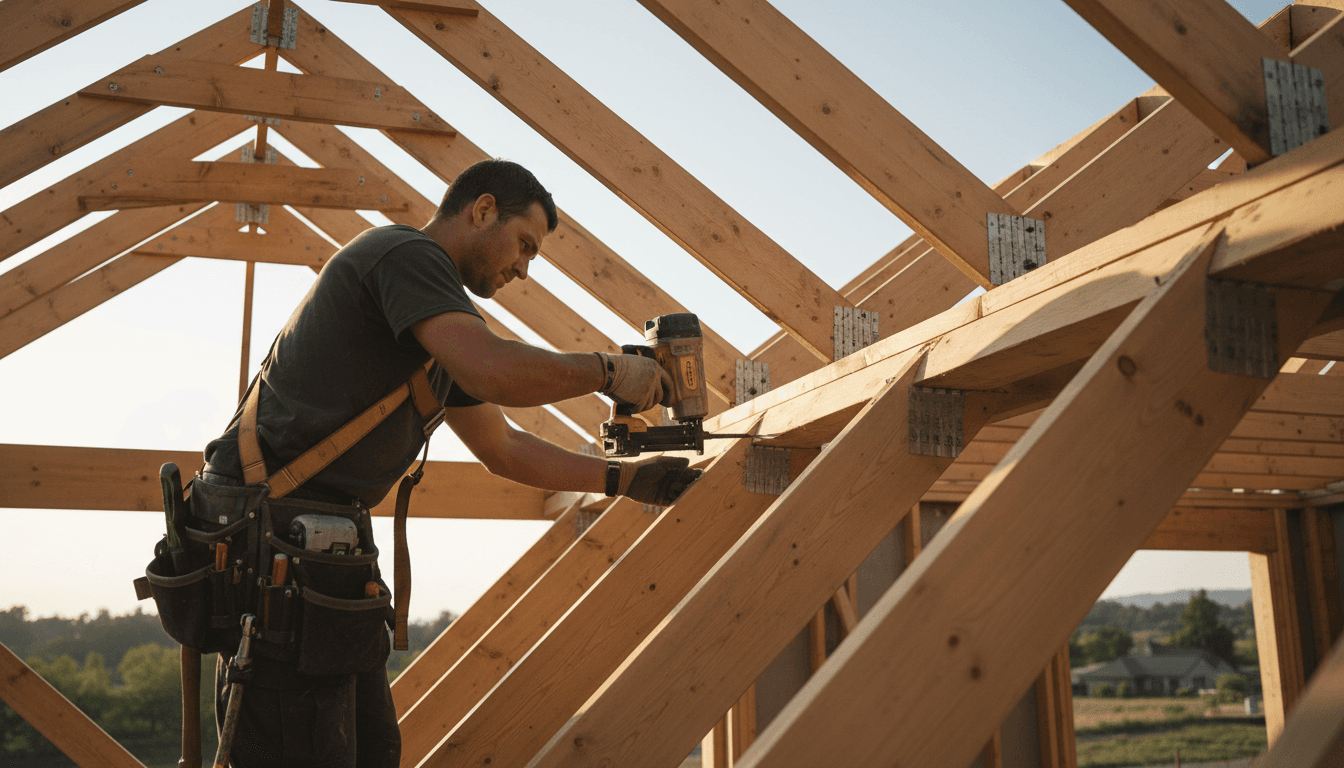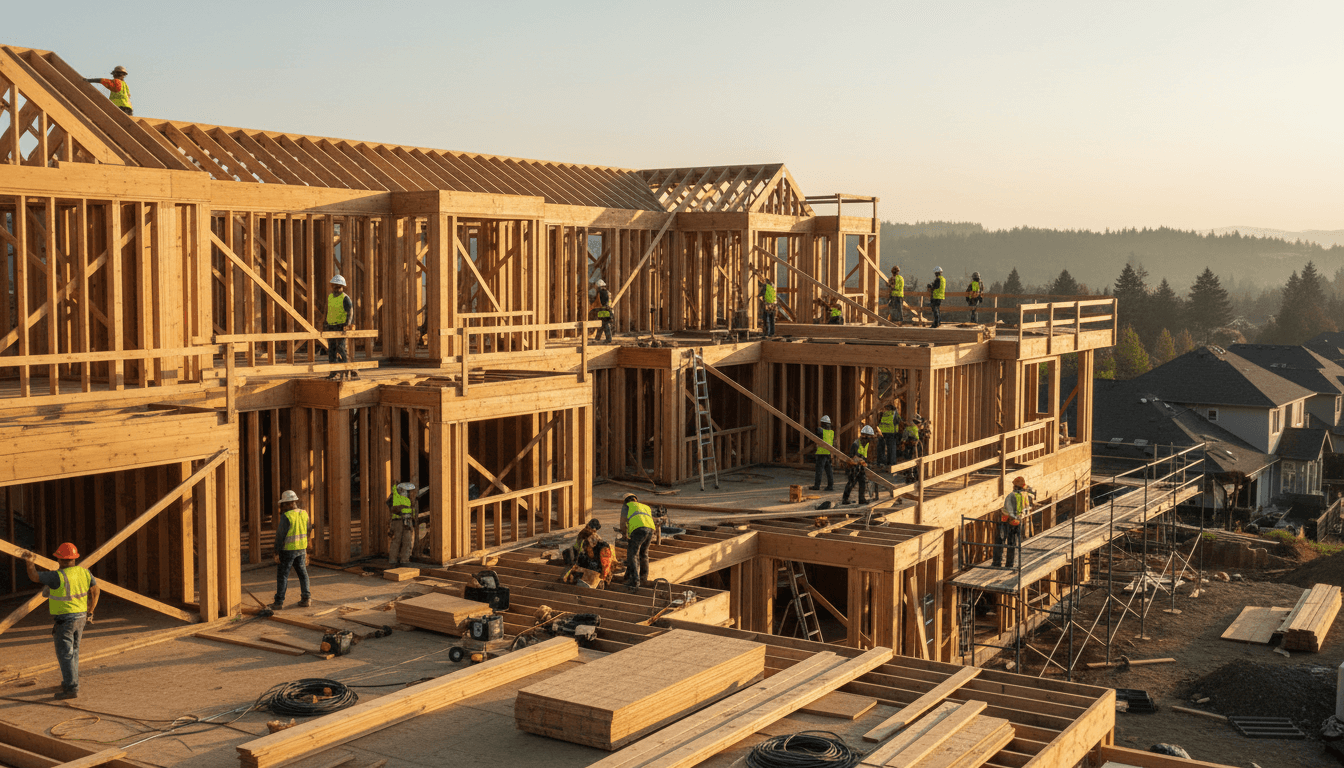
Building a house in 2026 can be up to 15 percent cheaper than purchasing an existing property, making new home construction Utah a financially strategic choice for many residents. Average costs for standard builds range from $200 to $320 per square foot, while custom luxury projects may exceed $500 per square foot depending on finishes and location.
Navigating the Utah real estate market in 2026 feels like a constant compromise between location and lifestyle. Many buyers find themselves paying premium prices for aging properties that require immediate renovations, only to realize the total investment equals the cost of a custom build. At Anders Construction, we believe that understanding the financial reality behind these choices is essential for any serious homeowner. This guide provides a comprehensive analysis of the current state of new home construction in Utah. We will break down price per square foot metrics, analyze construction timelines, and explore the logistical advantages of customization versus convenience. Furthermore, we will examine hidden costs and highlight why emerging regions like Box Elder County offer unique opportunities this year. By the end, you will have the data needed to decide if building your dream home is the right strategic move for your future.
The State of New Home Construction in Utah for 2026
The Utah housing market entering 2026 reflects a landscape defined by resilience. While inventory levels have fluctuated over the past several years, the underlying demand for high quality residential construction services remains robust. This is particularly evident in growing regions like Box Elder County, where land availability still allows for the kind of custom projects that are becoming increasingly scarce in the dense urban centers of the Wasatch Front. At Anders Construction, we have observed a distinct shift in homeowner priorities; clients are no longer just looking for maximum square footage, but are instead focused on high efficiency systems and materials that provide long term value.
A common question we hear is whether 2026 is actually a good time to build a house. While it is true that material and labor costs sit above historical averages, building now remains a strategic move due to Utah’s consistent equity growth. Investing in new home construction Utah provides the benefit of a modern, code compliant structure that typically appreciates faster than older, existing inventory. By focusing on durable structural improvements and modern building practices, owners can secure a property that stands up to the specific environmental demands of the Beehive State while avoiding the immediate maintenance debt associated with older homes.
Cost Analysis: Utah New Construction Price Per Square Foot
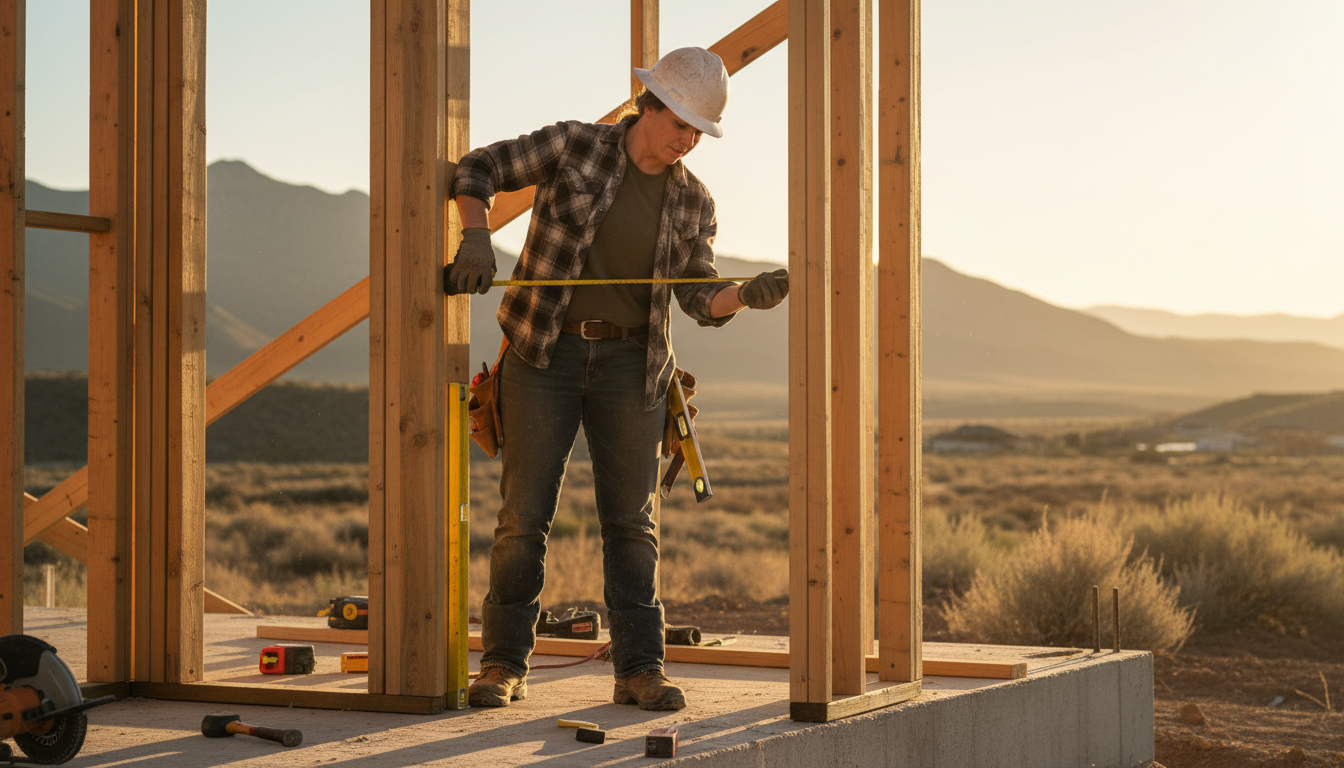
Understanding the financial commitment is the first step in planning any new home construction Utah project. As we move into 2026, pricing reflects both the stabilization of supply chains and the continued high demand for skilled labor. Data suggests that standard residential builds currently range between $200 and $320 per square foot. However, for high end custom homes in Salt Lake or Utah County, where finishes are more elaborate and architectural demands are higher, costs frequently exceed $500 per square foot.
It is vital to distinguish between the sticker price of construction and the total project cost. The square footage rate often covers the structure itself, but several regional variables influence the final investment. Utah topography requires specific site work, such as heavy excavation in rocky terrain or specialized foundation reinforcement to meet strict seismic safety codes. These structural necessities, combined with local labor shortages and material volatility, mean that a flat rate rarely tells the whole story. Through expert project management, builders can help mitigate these fluctuations by locking in prices early and optimizing the build schedule.
A frequent question from first time builders is whether $200,000 is enough to build a house in 2026. In the current market, this budget is generally insufficient for a standard, multi bedroom family home. A $200,000 investment might cover a small, high quality Accessory Dwelling Unit (ADU) or perhaps a basic structural shell on a pre prepared lot, but it does not account for the modern finishes, utility hookups, and permit fees required for a full scale residence. Securing comprehensive residential construction services ensures that your budget reflects the reality of the lot and the specific requirements of the local municipality, preventing costly surprises during the framing or finishing phases.
Building in Utah: Customization vs. Convenience
Choosing to build rather than buy existing inventory often comes down to a choice between immediate occupancy and long term value. Data indicates that new home construction Utah projects can be up to 15 percent cheaper than purchasing a comparable pre owned house. This statistic requires careful interpretation; the margin depends heavily on land acquisition costs. In areas like Box Elder County, land availability can make building a clear financial win, whereas in more congested counties, the savings might be absorbed by the premium price of the lot.
The true advantage of building lies in the elimination of the design tax. When purchasing an existing home, the sale price includes the cost of the previous owner's upgrades, even if those choices do not align with your lifestyle. By starting from scratch, every dollar of your investment goes toward the layout, finishes, and features you actually want. This prevents the need for immediate, costly renovations that often follow the purchase of an older property.
Modern residential construction services also provide superior energy efficiency compared to homes built even a decade ago. Building to 2026 standards involves advanced insulation techniques and high performance HVAC systems that significantly reduce monthly utility expenses. At Anders Construction, we prioritize structural improvements that are not always visible but are essential for longevity. This includes foundation reinforcement and specific seismic considerations tailored to Northern Utah's soil conditions. Investing in these modern practices ensures the home is not just a custom space, but a durable asset that resists the settlement and structural issues common in older Utah properties. You are essentially paying for a higher standard of performance that existing homes simply cannot match without an expensive retrofit.
The Timeline Factor: How Long Does It Take to Build a House in Utah?
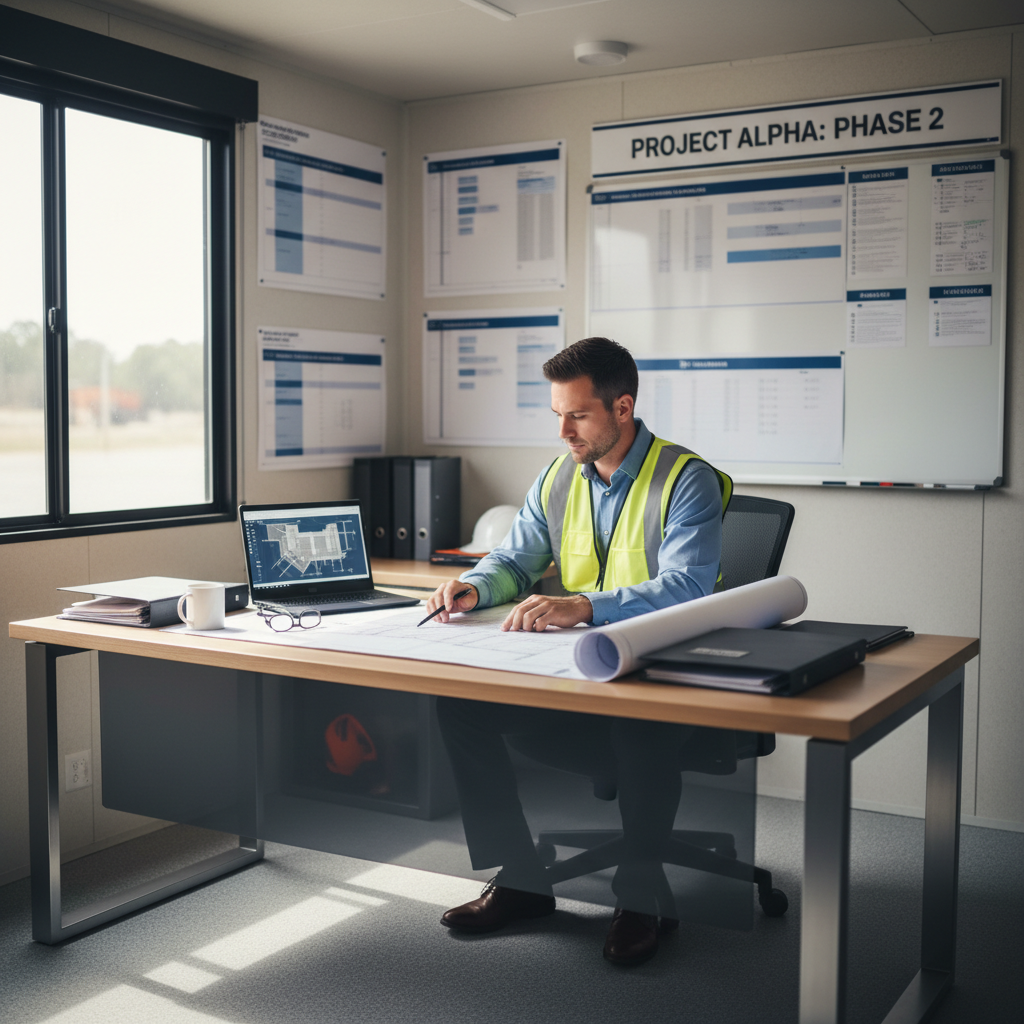
Determining how long it takes to build a house in Utah depends heavily on the complexity of the design and the efficiency of the local building department. For 2026, most standard residential projects require six to 12 months from the start of excavation to the final walkthrough. Complex custom builds involving intricate architectural details or difficult terrain often extend into a 12 to 24 month window.
The process begins with permitting, which remains a significant variable. Certain Utah municipalities are known for backlogs, while others in Box Elder County may process approvals more quickly. Once permits are secured, site work and foundation placement typically take three to six weeks, followed by the framing phase, which serves as the skeleton of the home. The final stages, including mechanical installations and interior finishing, often consume the last three to five months of the schedule.
Delays are frequently caused by poor coordination between trades or late material orders. Utilizing expert project management from a local builder ensures that subcontractors are scheduled tightly and long-lead items are ordered well in advance. At Anders Construction, we integrate these phases to keep new home construction Utah projects moving, even when winter weather or supply chains present challenges. Professional residential construction services prioritize clear communication during these phases to prevent the timeline from drifting beyond the initial estimates.
Hidden Costs of Building: Beyond the Square Footage
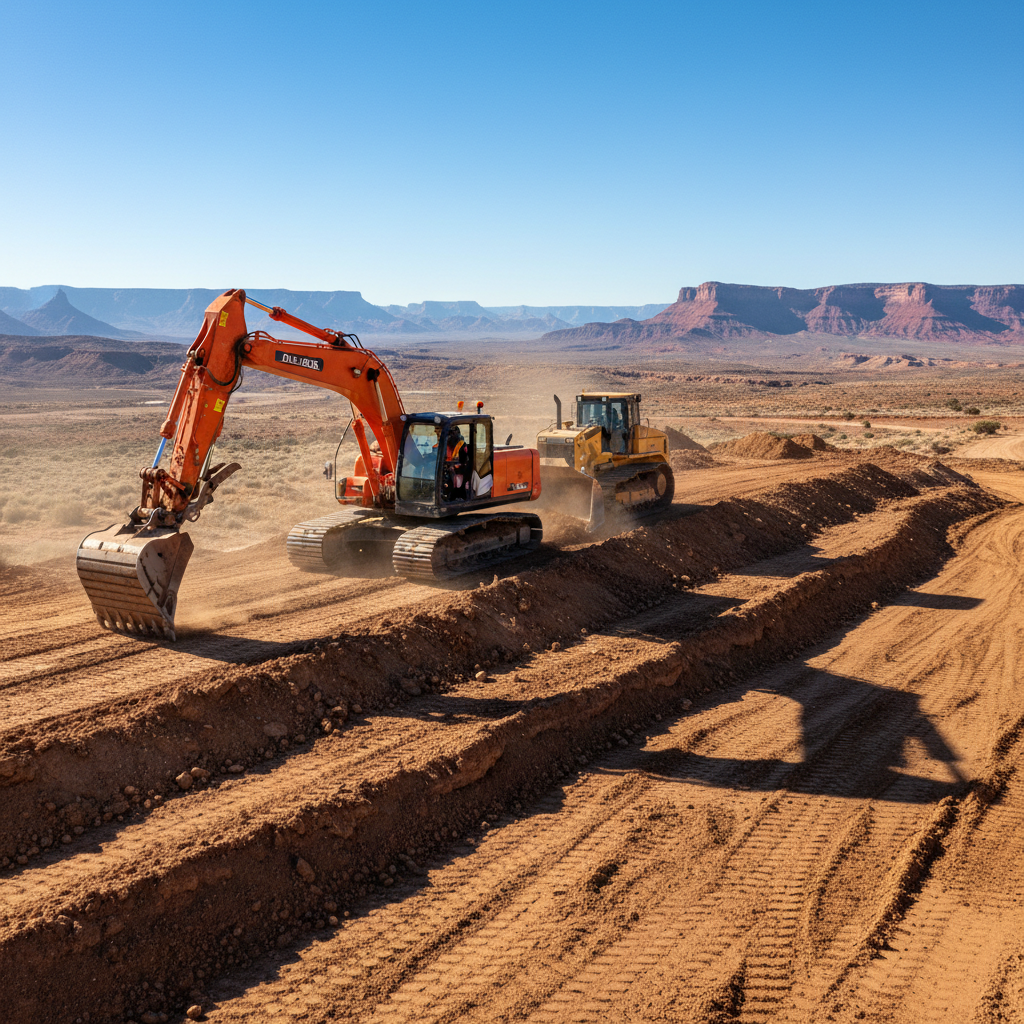
Estimating the price per square foot only covers the physical structure. Many residential construction services quotes exclude municipal impact fees, which are designed to offset the strain new home construction Utah puts on public infrastructure like roads, parks, and fire services. These fees vary wildly by jurisdiction. In Salt Lake County, impact fees can easily exceed $20,000, while Box Elder County typically sees lower, though still significant, rates. Failing to account for these before breaking ground can lead to a major budget shortfall.
Infrastructure costs also fluctuate based on your lot type. Urban infill lots usually have existing lines nearby, but rural parcels in Northern Utah might require new septic systems, well drilling, or long trenching runs for power and gas. These utility hookups often represent a massive hidden expense that occurs before the foundation is even poured. Additionally, local zoning laws or HOA regulations frequently mandate specific landscaping standards, including irrigation systems and sod, which must be completed before you receive a Certificate of Occupancy. Relying on expert project management helps identify these local requirements early. To avoid mid project stress, homeowners should budget an additional 10 to 15 percent above their construction quote to cover these soft costs and ensure the team about Anders Construction can deliver a finished project without financial surprises.
Regional Focus: Why Box Elder County is a 2026 Hotspot
As the Wasatch Front continues to reach its density limits, Box Elder County has emerged as a primary destination for new home construction Utah. While Salt Lake and Utah Counties deal with extreme land scarcity and soaring prices, Northern Utah provides a significant advantage in terms of raw land availability and a lower average cost per square foot. Homeowners in this region often secure larger lots that accommodate detached workshops or secondary structures, features that are increasingly difficult to find in the more saturated markets to the south.
Building successfully in this area requires more than just general contracting skills. It demands a deep understanding of local geography, from the unique soil compositions found near the Great Salt Lake to the specific water right requirements in rural townships. Navigating the building departments in municipalities like Brigham City, Tremonton, or Perry requires established relationships and a nuanced understanding of local zoning codes. Choosing a builder with deep regional roots ensures that your project avoids the logistical bottlenecks that outside contractors often encounter. The team about Anders Construction leverages years of hands on experience within the county to streamline inspections and site work, ensuring that regional challenges become manageable steps rather than project ending hurdles.
Is It Cheaper to Build or Buy a Home in 2026?
Deciding between new home construction Utah and purchasing an existing property requires weighing immediate occupancy against long term operational costs. An existing home often carries a lower initial sticker price and benefits from mature surroundings, yet it frequently hides deferred maintenance or inefficient systems. In contrast, building new involves a new home premium that pays dividends through superior energy efficiency and modern structural standards.
Aspect | Building New | Buying Existing |
|---|---|---|
Design | Custom layout tailored to your lifestyle | Fixed floor plan from previous owners |
Maintenance | No immediate repairs or replacements | Potential for aging roofs, HVAC, or plumbing |
Efficiency | Advanced insulation and smart systems | Older standards; higher utility costs |
Timeline | 6 to 24 months depending on complexity | 30 to 60 day closing period |
Exterior | Custom grading; new landscaping required | Established trees and yard work |
Achieving the best value depends on how long you intend to hold the property. While the upfront investment for residential construction services may be higher, the reduction in monthly utility bills and the absence of renovation costs often make building the more economical choice over a ten year horizon. To determine the most cost effective path for your specific goals, we recommend a consultation with the team about Anders Construction. Professional expert project management can provide a detailed breakdown of lot development costs versus the price of regional inventory.
Deciding whether to build or buy in Utah involves weighing current market trends against your personal vision for the future. While buying an existing property offers a faster move-in date, building ensures every detail aligns with your lifestyle. This choice is significant, and having the right guidance can make all the difference. If you want expert help navigating the construction process or exploring your options, you can read more about our team and our commitment to quality. We are ready to help you find the best path forward.