Energy efficient home construction Utah is ideal in 2026 because stabilized material costs and favorable financing conditions coincide with a significant rise in demand for high-performance, sustainable housing. By prioritizing features like airtight insulation and solar-ready roofing, builders and renovators can secure long-term utility savings while meeting modern market expectations.
Utah homeowners frequently face the dual pressure of volatile utility costs and the Wasatch Front’s demanding climate. Maintaining a comfortable interior often feels like a losing battle against rising energy rates and extreme seasonal shifts. At Anders Construction, we view energy efficiency not as a luxury upgrade but as a fundamental requirement for modern building science. As we look toward 2026, the intersection of advanced construction materials and historic financial incentives makes this the most strategic time to invest in your property. This guide explores the evolution of Utah home building and the essential features required for our unique high-desert environment. You will learn how to integrate smart technology to reduce installation costs, navigate the complex landscape of federal tax credits, and identify the long-term return on investment that comes with a high-performance home.
The Evolution of Utah Home Building in 2026
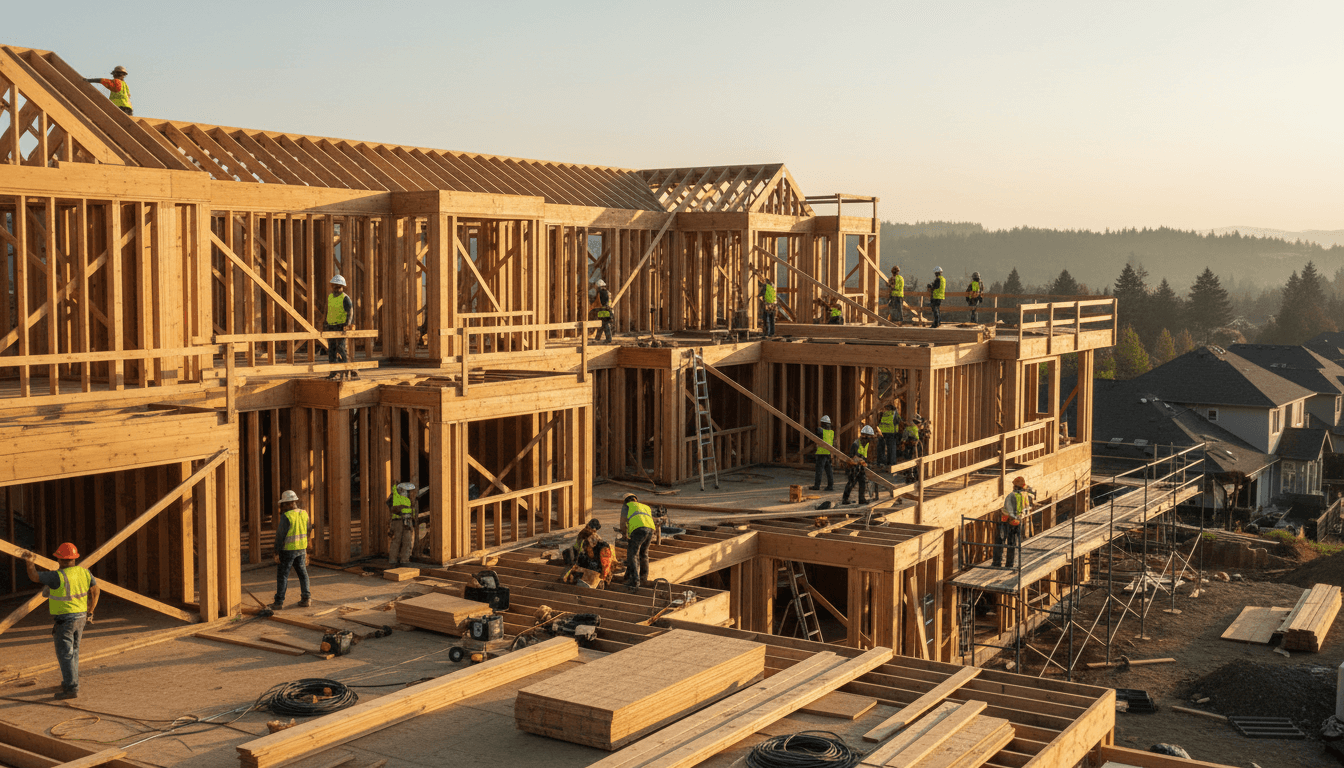
The Utah housing landscape has undergone a significant transformation as we move through 2026. After several years of market volatility, construction costs are finally stabilizing. This predictability, coupled with a steady growth in inventory, has created a more favorable environment for homeowners and developers alike. In this mature market, the focus has shifted from merely completing a build to ensuring its long term viability. Energy efficient home construction Utah has transitioned from an optional luxury to a standard benchmark for property value.
At Anders Construction, we see these trends through a local lens. In Box Elder County and throughout Northern Utah, our climate demands more from a structure than most regions. We experience extreme temperature swings, from sub zero winter nights to scorching triple digit summer afternoons. For our clients, efficiency is not just a buzzword; it is a practical necessity for comfort and budget management. Building to high performance standards ensures that a property can maintain a stable internal environment regardless of the weather outside.
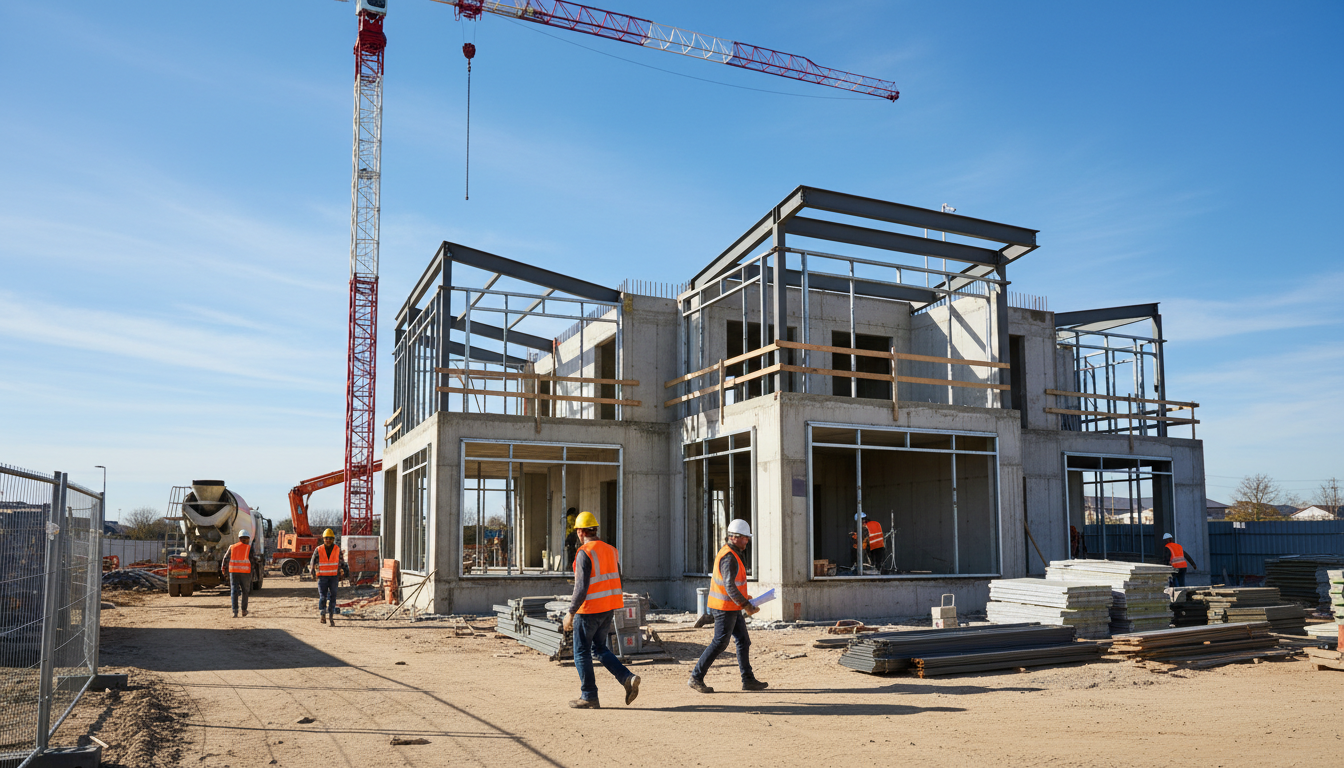
Providing residential and commercial construction services in this region requires a deep understanding of local conditions. We prioritize expert project management to integrate modern building sciences into every phase of site work and structural assembly. By focusing on a high quality building envelope and sustainable practices now, owners secure a property that is built to last. This shift toward efficiency reflects a broader realization that the most valuable buildings in 2026 are those that operate with maximum precision and minimum waste.
Why 2026 is the Strategic Year for Energy Efficient Upgrades
Prospective homeowners often ask if now is the right time to commit to a major build or renovation. In the context of energy efficient home construction Utah, the answer is grounded in market maturity. Between 2021 and 2023, the industry faced unprecedented volatility; material shortages and erratic lead times made it difficult to lock in precise schedules. By contrast, 2026 offers a level of stability that allows for far more expert project management.
Supply chains for specialized high-performance materials have finally matured. Components like triple-pane windows and cold-climate heat pumps, which were once niche or subject to month-long delays, are now readily accessible. This availability reduces the premium on these items and eliminates the scheduling bottlenecks that plagued earlier years. Building today means you are not just fighting for inventory; you are selecting from a robust market of proven technologies.
When we provide residential and commercial construction services in Box Elder County, this stability translates directly to predictable timelines and transparent budgeting. Homeowners can now integrate these efficiency upgrades without the fear of sudden price spikes or manufacturing delays. This shift from reactive to proactive building makes 2026 the most strategic year to prioritize long term performance and structural value.
Essential Energy Efficient Home Construction Features for the Utah Climate
Building for the Utah climate requires a calculated approach to the building envelope. In Northern Utah, where we fluctuate between heavy snow loads and dry heat, the International Energy Conservation Code (IECC) sets the baseline for performance. Meeting or exceeding these specific IECC standards is not just about compliance; it allows homeowners to save an average of 16.5 percent on annual energy costs. Achieving these results involves focusing on three critical areas during the structural phase.
### High-Performance Insulation and R-Values For energy efficient home construction Utah projects, insulation is the first line of defense. In Box Elder County, which falls into IECC Climate Zone 5 or 6 depending on elevation, standard R-values must be robust. We recommend attic insulation levels of at least R-49, though R-60 is becoming the preferred choice for long term value. Wall assemblies should utilize high density batts or spray foam to reach R-20 to R-25. These values ensure that heat remains trapped inside during a January freeze and stays out during a July heatwave.
### Airtight Construction for Summer Heat Mitigation Insulation alone is insufficient if air can bypass it through gaps and cracks. Airtight construction involves sealing the building envelope with precision. We focus on sealing top plates, rim joists, and utility penetrations to prevent the chimney effect, where warm air escapes through the roof while pulling cold air in through the crawlspace or basement. This practice is particularly vital during Utah summers. By preventing hot, dry air from infiltrating the living space, we reduce the load on HVAC systems and ensure residential and commercial construction services deliver a building that maintains a consistent internal temperature.
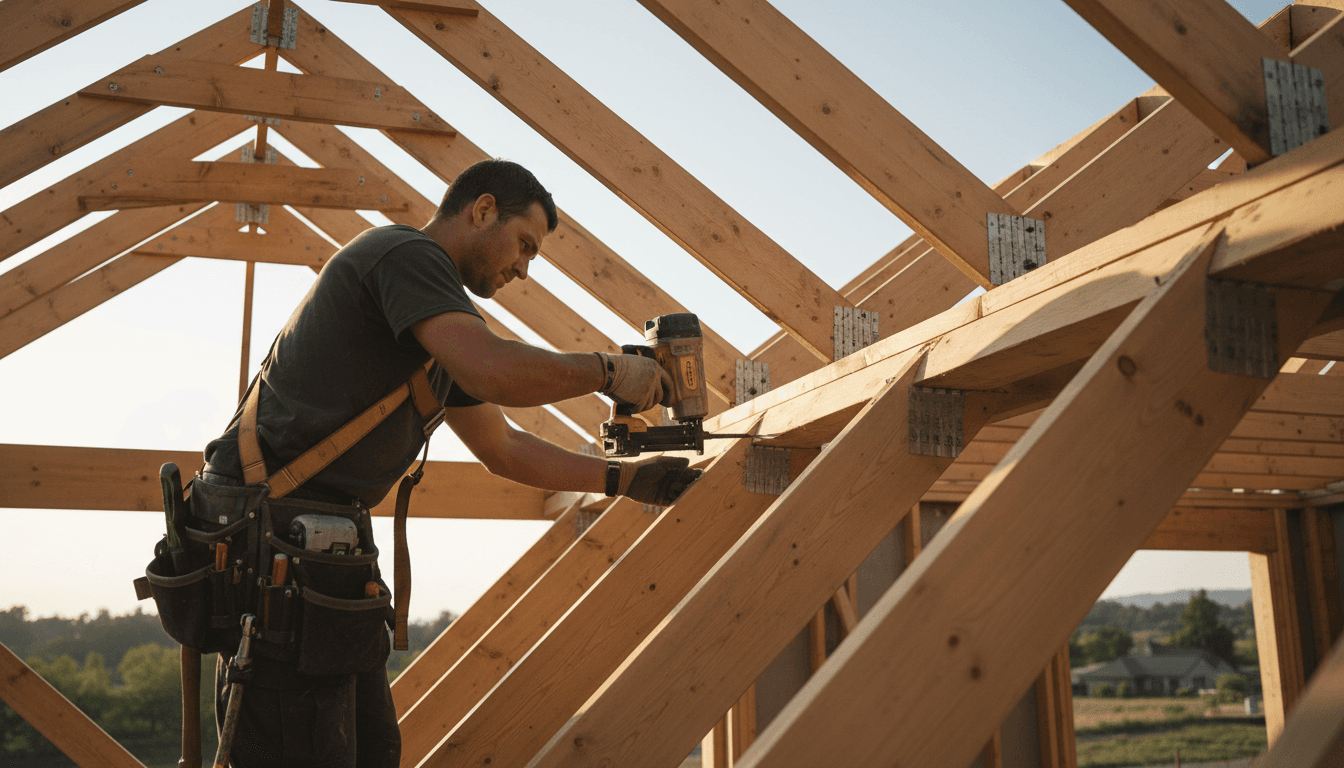
### Solar-Ready Roofing and Structural Integrity Modern builds should account for future technology. Solar-ready roofing involves more than just pointing the roof south. It requires expert project management to ensure the roof trusses are engineered to support the additional dead load of photovoltaic panels. Additionally, installing dedicated conduit from the attic to the electrical panel during the framing stage eliminates the need for invasive and expensive retrofits later. This foresight ensures the structure is prepared for renewable energy integration without compromising the integrity of the roofing system or the aesthetic of the home.
Smart Home Integration: Saving 40 to 60 Percent on Installation Costs
Integrating a digital brain into a structure is most cost-effective when handled simultaneously with the electrical rough-in. Industry data indicates that smart home technology is 40 to 60 percent cheaper to install during new construction compared to a later retrofit. This significant saving stems from the ability to run low-voltage wiring and install centralized control hubs before the drywall is hung, eliminating the need for invasive wall repairs or complex wireless workarounds.
Our residential and commercial construction services focus on systems that provide tangible utility reductions. Automated climate control and smart thermostats are essential for managing the temperature fluctuations common in Northern Utah; they can be programmed to pre-cool or pre-heat a space during off-peak hours. Furthermore, integrated energy monitoring systems provide real-time data on consumption patterns, helping owners identify and mitigate waste. Through expert project management, we treat these tech integrations as core components of energy efficient home construction Utah, ensuring they contribute to a lower cost of ownership over the life of the building.
Maximizing Savings: Stacking Utah Energy Rebates and Federal Tax Credits
Reducing the upfront cost of energy efficient home construction Utah requires a strategic approach to financial incentives. By stacking federal tax credits with local utility rebates, property owners can significantly offset the premium for high performance materials. The foundation of these savings is the Federal Energy Efficient Home Improvement Tax Credit, which currently offers a 30 percent credit on qualifying expenditures. For projects involving heat pumps, windows, or insulation upgrades, this credit can reach up to $3,200 annually, depending on the specific installations.
Local programs provide a secondary layer of savings that apply directly to the invoice or as cash back. In Northern Utah, Rocky Mountain Power’s Wattsmart program offers rebates for high efficiency HVAC systems and smart thermostats. Simultaneously, the ThermWise program from Dominion Energy provides cash incentives for weatherization and high performance natural gas appliances. Integrating these requires expert project management to ensure every component meets the efficiency thresholds required by each specific program.
Program Source | Incentive Type | Common Eligible Upgrades |
|---|---|---|
Federal Government (25C) | 30% Tax Credit | Insulation, Heat Pumps, Exterior Doors |
Rocky Mountain Power | Wattsmart Rebates | Air Conditioners, Smart Tech, Lighting |
Dominion Energy | ThermWise Incentives | High-Efficiency Furnaces, Duct Sealing |
Utah Energy Hub | Retrofit Coverage | Up to 50% of cost for eligible home upgrades |
For owners focusing on existing structures, the Utah Energy Hub facilitates access to programs that may cover up to 50 percent of retrofit costs for qualifying energy improvements. Utilizing these resources effectively means aligning the construction schedule with filing deadlines. When we provide residential and commercial construction services, we guide clients through the documentation needed to prove compliance. This documentation is vital, as most rebates require specific SEER ratings or R-values to be verified by a licensed contractor before funds are released. Taking a methodical approach to these incentives turns a high performance build into a financially sound long term asset.
The ROI of Comfort: Beyond the Utility Bill

While the financial payback is often the primary focus, the true return on investment in energy efficient home construction Utah is found in the daily experience of the occupants. Superior insulation and airtight seals do more than lower bills; they create a consistent thermal envelope that eliminates the common Utah problem of "the cold room" or drafts near windows during a winter storm. By maintaining a steady surface temperature on interior walls, these structures provide a level of physical comfort that standard builds cannot match.
High performance envelopes also act as a filter for the external environment. In Box Elder County, where seasonal allergens or highway noise can be intrusive, the increased density of high R-value insulation and triple pane windows provides a significant acoustic barrier. Furthermore, advanced ventilation systems integrated into our residential and commercial construction services ensure a constant supply of filtered air. This reduces dust and pollutants, which is a critical consideration for indoor wellness and respiratory health.
In the 2026 real estate market, these invisible features have become major selling points. Modern buyers prioritize health and tranquility as much as aesthetics. Through expert project management, we ensure that every structural improvement contributes to a high resale value by offering a quiet, clean, and draft-free environment that stands out in any property listing.
Choosing an Energy Efficient Builder in Northern Utah
Selecting a contractor who understands the technical nuances of the Northern Utah climate is the final step in securing your investment. You should look for a partner who prioritizes transparent communication and brings hands-on experience to every phase, from initial site work to final structural inspections. A qualified builder must explain how specific assemblies, such as advanced framing or continuous insulation, interact with our local Zone 5 and 6 environments.
Anders Construction provides residential and commercial construction services rooted in these modern practices. We blend expert project management with a deep knowledge of current building codes to ensure every energy efficient home construction Utah project meets the highest performance benchmarks. If you are ready to begin your build or renovation, contact our team to discuss how we can maximize the long term value of your property.