Commercial construction in Utah typically costs between $175 and $550 per square foot depending on whether the project is a tenant improvement or a ground-up build. To ensure success, business owners must partner with reputable commercial construction companies Utah that possess valid licensing, insurance, and extensive experience with local building codes. Proper planning starts with a clear budget and a defined project scope tailored to specific industry needs.
Launching a commercial project in Utah often feels like navigating a minefield of unpredictable costs and regulatory hurdles. Business owners frequently encounter delays that stall revenue or budget creep that undermines their initial investment. These challenges are not just inconveniences; they represent significant risks to your bottom line and your brand's future. Finding a partner who understands the specific geological and economic landscape of the region is essential for converting a blueprint into a functional, profitable asset. In this guide, we provide a comprehensive roadmap for your next build. You will learn about current cost benchmarks for 2026, the critical phases of the construction process, and how to properly vet local contractors. We also explore the technical requirements for site preparation in Northern Utah to ensure your project stands on a solid foundation from the very beginning.
Navigating the Commercial Construction Landscape in Utah
Utah is currently experiencing a period of historic economic expansion, particularly within the Wasatch Front and Northern regions like Box Elder County. This surge in development has transformed the landscape, turning agricultural land and empty lots into thriving industrial hubs and retail centers. However, this rapid growth presents a complex environment for business owners. The combination of high demand and global market fluctuations has created specific hurdles in material supply chains and the availability of skilled labor.
Navigating these variables requires a partner who understands the local ecosystem. When evaluating commercial construction companies Utah offers, it is vital to look beyond the initial cost. Anders Construction approaches every project with a deep understanding of the state’s specific regulatory hurdles and environmental factors, such as high mountain snow loads and seismic soil considerations. By integrating efficient project management with hands-on site experience, we help developers mitigate risks that outsiders might overlook. Selecting a builder with local roots ensures that your commercial construction services are executed with an eye toward long-term structural integrity and compliance; this provides a foundation that survives both the elements and the evolving Utah economy.
Utah Commercial Construction Cost Benchmarks for 2026
Economic growth in Utah correlates directly with rising construction overhead. As we look toward 2026, business owners must account for a labor market that remains highly competitive, especially as regional infrastructure projects and large-scale residential developments vie for the same pool of skilled tradespeople. Understanding these benchmarks allows developers to set realistic expectations before breaking ground.
Cost per square foot is the standard metric for budgeting, but these figures vary significantly based on the intended use of the facility. For instance, warehouse and industrial shells remain the most cost-effective due to their simplified structural requirements, whereas specialized office or retail spaces demand higher investments in finishing and systems.
Building Category | Project Type | Estimated Cost per Sq. Ft. |
|---|---|---|
Warehouse & Industrial | Shell Only | $85 – $150 |
Office Space | Mid-Range Ground-Up | $250 – $450 |
Retail & Medical | High-End / Specialized | $500 – $600 |
Tenant Improvements | Interior Build-outs | $175 – $425 |
Tenant Improvements (TIs) remain a primary focus for businesses moving into existing shells. These projects typically range from $175 to $425 per square foot. The wide variance here is usually driven by the complexity of mechanical, electrical, and plumbing (MEP) upgrades required to meet specific modern codes or operational needs. For ground-up projects in high-end sectors, such as specialized medical facilities or luxury retail hubs, costs frequently reach $600 per square foot due to the sophisticated structural and aesthetic requirements.
Utah's unique geographic and economic factors also influence these numbers. Local material sourcing for concrete and steel, combined with the logistical costs of transporting equipment to sites in Box Elder County or the Wasatch Front, dictates the bottom line.
Selecting a partner based solely on the lowest initial number is a common pitfall that jeopardizes project stability. When commercial construction companies Utah businesses hire provide significantly lower quotes than the market average, it often indicates a lack of transparency or a failure to account for current material volatility. These "cheap" quotes frequently lead to a cascade of change orders mid-project, which can inflate the final budget well beyond a more realistic, expert bid. To ensure your project remains viable from start to finish, you should request a commercial build estimate that prioritizes accuracy and long-term value over an artificially low entry price.
Essential Phases of a Utah Commercial Build
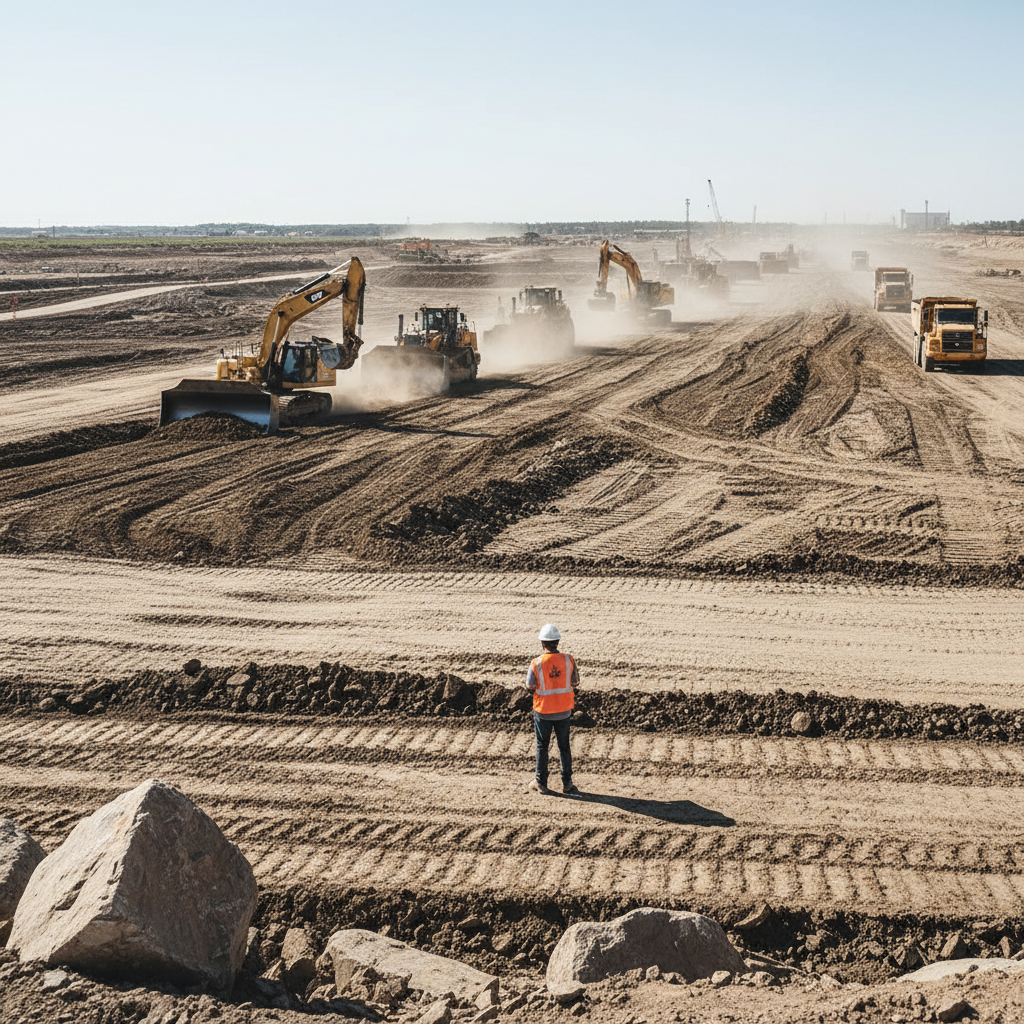
Transitioning from budgeting to active development requires a structured approach to navigate the complexities of local regulations and physical site conditions. A successful build is not a single event but a sequence of seven distinct phases. By understanding these stages, business owners can better anticipate the timeline and resource requirements of their project.
Pre-construction: This phase involves site selection, feasibility studies, and preliminary budgeting to ensure the project is viable before significant capital is committed.
Design: Architects and engineers create detailed blueprints that align with both the client's vision and Utah's stringent building codes.
Permitting: Navigating local government requirements is critical. In Box Elder County and across Northern Utah, permitting timelines can vary significantly, often taking anywhere from several weeks to several months depending on the complexity of the zoning and environmental impact.
Site Preparation: Because of Utah's varied terrain, site work is often the most technical phase. This includes clearing, grading, and ensuring proper drainage; a step that is vital for long term structural integrity in areas with diverse soil compositions.
Construction: The vertical build occurs here, where the structure begins to take shape according to the design specifications.
Inspection: Regular check-ins from local building officials ensure the work meets safety standards and code requirements.
Closeout: The final phase involves a punch list, system testing, and the issuance of a Certificate of Occupancy.
Among the various commercial construction companies Utah offers, the differentiator is often found in how these phases are managed. Anders Construction utilizes efficient project management to coordinate between subcontractors, engineers, and municipal inspectors. We provide comprehensive commercial construction services that emphasize clear communication; this ensures that potential bottlenecks in the permitting or site preparation stages are addressed before they result in costly downtime. By maintaining a hands-on presence from pre-construction through closeout, we keep projects on schedule and within the established technical parameters.
Vetting Commercial Construction Companies in Utah: What to Look For
Selecting a partner for your development is a high stakes decision that requires looking beyond the initial bid price. When evaluating commercial construction companies Utah offers, your first step should be verifying credentials through the Utah Division of Professional Licensing (DOPL). This is a non-negotiable safety measure. You must confirm that the contractor holds an active license with the correct classification for commercial work, such as a B100 General Commercial Contractor license, and carries comprehensive general liability and workers’ compensation insurance. A contractor who hesitates to provide certificates of insurance or a DOPL license number is a significant liability to your business.
Red flags often appear early in the communication process. Be wary of vague contracts or one-page quotes that lack line-item breakdowns. Transparency in commercial construction services is essential; a professional estimate should clearly define the scope of work, material specifications, and a realistic timeline. If a builder cannot provide local references from Box Elder County or the Wasatch Front, they likely lack the established relationships with local subcontractors and municipal inspectors that are necessary to keep a project moving.
Focus on firms that prioritize hands-on experience and efficient project management rather than those that act merely as administrative brokers. Modern construction practices, including strict adherence to updated safety protocols and the use of durable, high-performance materials, ensure that the facility provides long-term value rather than just a quick turnaround. Before signing any agreement, it is wise to request a commercial build estimate that includes a detailed consultation. This allows you to assess their technical depth and ensure their communication style aligns with your project goals.
Understanding Site Preparation and Structural Integrity in Northern Utah
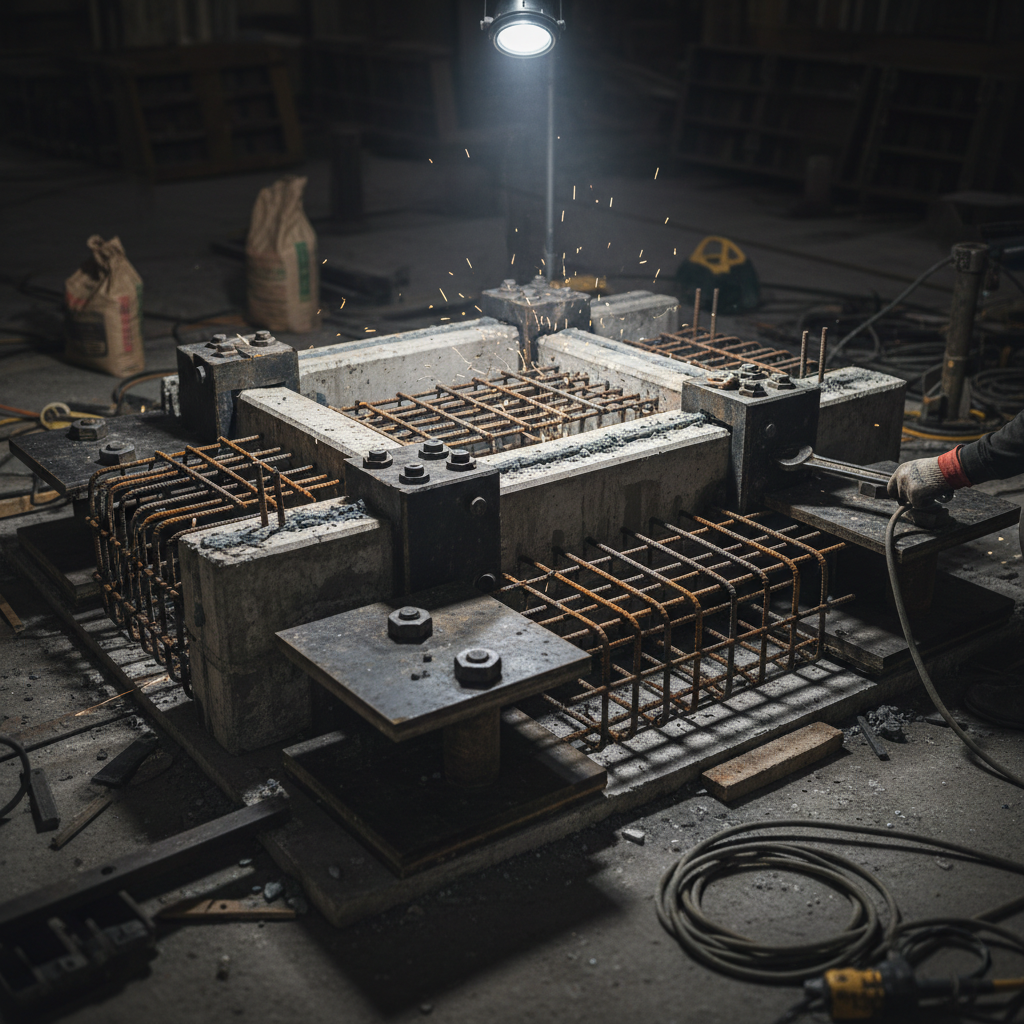
The stability of a commercial structure in Northern Utah is dictated by what lies beneath the surface. Box Elder County and the surrounding regions feature highly variable soil profiles, ranging from dense, rocky mountain terrain to expansive clays and collapsible silts. Commercial construction companies Utah developers trust must account for these conditions during the initial site preparation phase. Proper grading is not merely about creating a level pad; it involves complex hydrological planning to ensure moisture does not settle against the foundation, which is a common cause of structural failure in our climate.
Utah’s location along the Wasatch Fault requires strict adherence to seismic design categories. This necessitates deeper footings, specific concrete PSI ratings, and increased steel reinforcement to manage the lateral forces generated during seismic events. Site work also involves precise over-excavation and the introduction of engineered fill to stabilize the ground. These technical steps ensure the slab can withstand the heavy loads of industrial equipment or high-traffic retail environments.
When delivering commercial construction services, we treat structural integrity as a priority for both new builds and renovations. Older buildings often require seismic retrofitting or foundation reinforcement to meet modern safety codes during a remodel. By applying efficient project management to the earthwork and structural phases, we prevent the settling and cracking that compromise long-term value. If you are planning a project on challenging terrain, you should request a commercial build estimate that includes a thorough review of geotech requirements and site-specific structural needs.
Commercial Construction FAQs: Timelines and Budgets
Navigating the financial and logistical constraints of a build requires precise data. For a 2,000 square foot retail or office space, owners should budget between $500,000 and $900,000 for a mid-range ground-up build. Larger projects, such as a 10,000 square foot facility, often benefit from marginal economies of scale; however, they typically fall within the $2.5 million to $4.5 million range. These figures represent shell and core construction. Specialized interior build outs will adjust the final total.
Looking toward 2026, the industry anticipates a continued escalation in costs of approximately 4% to 6% annually. This trend is driven by persistent demand across the Wasatch Front and the ongoing scarcity of specialized trades. By choosing one of the experienced commercial construction companies Utah developers rely on, you can better lock in material pricing early to hedge against these shifts.
Permitting timelines remain a variable that often surprises new developers. In Box Elder County, the process for site plan approvals and building permits generally spans 8 to 16 weeks. Projects requiring zoning variances or environmental impact assessments can extend beyond six months. Utilizing efficient project management helps streamline the submittal process by ensuring all documentation is code compliant from the first filing. While these estimates provide a baseline for commercial construction services, every site in Northern Utah has unique constraints. To get a precise figure tailored to your specific lot and building requirements, it is best to request a commercial build estimate from a professional who understands current local market rates.
Commercial construction in Utah depends on thorough planning, accurate cost estimation, and selecting a contractor who understands the local landscape. While managing these variables can be challenging, the results of a successful project are worth the effort. If you want expert help navigating this process, Anders Construction is here to support your vision. You can visit our About page to determine if we are the right partner for your project. We are dedicated to building spaces where Utah businesses can truly flourish.